Inappetence
 |  | |
| By Lew Olson • July 2007 Newsletter |
| The information contained in this newsletter should only be used as a guideline. Always make sure you have a correct diagnosis from your veterinarian before proceeding and always follow their directions and protocol. |
Inappetence B-Naturals Newsletter July 2007 By 
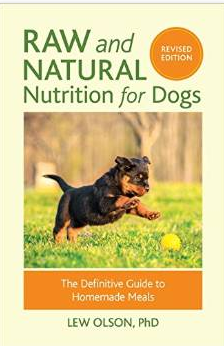
Raw and Natural Nutrition for Dogs, Revised: The Definitive Guide to Homemade Meals! Lew Olson's newly revised book is filled with an abundance of new topics and information. Whether you are new to home feeding or a seasoned raw feeder, have a senior dog or a new puppy, a pregnant mom or a toy breed, this book presents all the information you need to make the best nutritional decisions for your dog.Lew Olson, PhD Natural Health, LMSW-ACP Inappetence Dogs may show signs of inappetence for many reasons. It can be caused by physical illness or injury or it can be the result of a learned behavior such as “pickiness.” My own interest in this subject is from my recent experience with my dog, Bean. Bean has been in chronic renal failure for some time, and his inappetence is caused by a variety of health problems, including anemia, pain from renal issues and bouts of pancreatitis. In this newsletter, I hope to share some of what we have learned through this process. Illness can create a variety of reasons a dog may not want to eat. Nausea, pain, depression and simply not feeling well can all be reasons for a dog to lose their appetite. It is important to understand the reason for the dog’s lack of appetite in order to find and use the best tools to increase its appetite. Sometimes, depending on the illness or specific condition of the dog, certain foods can cause discomfort. Stomach pain and an aversion to food can accompany liver, renal and pancreas problems and the dog may attribute the pain to the food just eaten. Certain medical treatments can cause nausea, such as chemotherapy. Certain medications (antibiotics, non steroidal anti-inflammatory, anti-fungal medications, to name a few) can cause irritation in the stomach or discomfort in the liver. Additionally, any type of pain, including arthritis, post-surgical, or pain from an injury can cause lack of appetite. Using the right medications to control pain and discomfort can bring back the energy and desire to eat. If these issues can be anticipated, medications can be given to help alleviate these problems. Always consult with your veterinarian if your dog will be starting chemotherapy or using a long term medication. Learn the side effects of such treatments, and ask about giving complimentary medications to help with any side effects. Ask which foods might be good to avoid, such as high fat foods or foods high in phosphorus, or foods that may cause discomfort or stomach upset with the specific treatment or condition. Symptoms of nausea and pain can include panting, glassy eyes, drooling, fixed stare, trembling and a hunched appearance when standing. Even pain that causes discomfort manifested by limping or difficultly getting up can affect appetite. A dog in pain usually does not want to eat. Getting a diagnosis for the problem and controlling the pain is the best defense to a return of appetite. Discomfort and pain simply rob the dog’s desire to eat, and this in itself can hinder the healing process. A visit to your veterinarian at any of these symptoms should be done immediately. Nausea can present itself in a variety of ways and we, as owners, may not recognize our dog is nauseous; we just notice our dog is refusing food. This can be upsetting to us, as we find comfort being able to serve our dogs food we know they enjoy and will consume. It is important to try and take a deep breath, and not show anger or disappointment when our dogs won’t eat. It is the time to sit back and reassess what is going on with the dogs so we can understand why they may be refusing food. Again, a visit to your veterinarian is important for a complete picture. Another cause of inappetence is a behavioral issue. Unintentionally, we can teach our dogs to be picky or fussy eaters. We can create this picky or fussy behavior and not realize that our behavior and response is responsible for their inappetence. When our dog refuses to eat, the first inclination is to continue to present foods they will eat. While in some instances (such as nausea) this might be feasible, it can also create a habit for the dog to selectively wait until a food is presented that he really likes. Another scenario might be when we put the dog’s food dish down and they don’t eat and we become anxious or angry because the dog won’t eat. Without realizing it, we are setting up an aversion to food for the dog. They note our emotions and began to think eating is an unpleasant or unrewarding situation. They see our anxiety and stress and put together eating as a stressful and unrewarding. In either instance, the best idea is to present a food in the usual manner. If the dog doesn’t eat, act nonchalant and take the bowl away after five or ten minutes. Then wait until the next feeding time. Never get angry, upset or anxious. Do not hover around the dog, wringing your hands, thrusting the bowl under their head or watching him anxiously to eat. Walk away confidently, and let the dog have his meals in non emotional, pleasant atmosphere. Feeding a dog in the same place, at the same time also helps. If the dog is nauseous, then changing the feeding schedule to several small, frequent meals is often helpful. Digesting food takes energy, plus smaller amounts of food, fed more frequently offers less chance of producing nausea. Frequent, small meals are much easier to digest, especially during illness and recovery. I will now list three prescription appetite stimulators. These are *not* to be used for fussy eaters (that is behavioral) but rather for dogs with illness and/or nausea. If your dog has pancreatitis, you do not want to induce appetite until the dog’s pancreas has healed (please consult with your veterinarian on this). When Bean had nausea due to his decreased renal function, he was already on a low phosphorus diet, and some supplements to help support his renal function (see kidney diets). What I used for him at that time was Meclizine. This is the same as Dramamine Less Drowsy, but I suggest you have your vet calculate dose for your dog. I would give this one half to one hour before meals. It helped stop minor nausea and helped with appetite. For more information on Meclizine:http://www.veterinarypartner.com/Content.plx?P=T&C=31&S=1 When Bean’s nausea increased as his renal disease worsened my vet then recommended Mirtazapine. This prescription drug is used for certain depression and mental illness in people, but side effects include increased appetite. This drug is only given once daily. It can help with depression in dogs as well. Do be careful with this drug. Bean had an underlying condition of an inflamed pancreas. The increased appetite put him into pancreatitis. So don’t overdo it. If your dog’s appetite increases; remember to give small, frequent meals. For more information on Mirtazapine:http://www.veterinarypartner.com/Content.plx?P=A&A=2552&S=1&SourceID=52 The last drug I want to mention Zofran. It is very expensive, but very effective, especially when it is used with chemotherapy treatments. Chemotherapy treatments can cause severe nausea. Zofran also comes in a generic form. I also used this medication for Bean. Be aware this drug costs approximately $40 a pill, and it is recommended to give it twice daily. It comes in 4mg and 8 mg. It also comes in ab injectable form, but must be given in the vein or in the muscle. I only needed to use Zofran during the worst times of Bean’s nausea, but it is a comfort to have it on hand, just in case. For more information on Zofran:http://www.petplace.com/drug-library/ondansetron-zofran/page1.aspx When trying to make food appetizing, it is often helpful to slightly heat the food. Sometimes adding a small bit of powdered garlic helps as well. I have also found that serving food in different bowls, such as plastic, glass or even paper has helped. I also make meal times very positive and work hard to ignore it when my dog won’t eat. I just try again at the next meal time. If your dog is recuperating from chemotherapy or another illness and can eat any food (fat and proteins), some good things to try include:
I have also sprinkled high smelling cheeses, such as parmesan onto the food. Additionally, Brawnschawger, a soft meat spread, cheese whiz and peanut butter are all excellent for hiding pills. Lower fat treats include:
Creativity is the name of the game and it is very important to remember to always serve small frequent meals if a dog has digestive problems such as nausea or diarrhea. We all want our dog’s to eat well to bring them back to health, but food served in large quantities can take the healing process backwards instead of forwards. Several small meals are more helpful. Always consult with your veterinarian on any medications or attention needed for your dog’s dietary needs. I hope everyone finds this information helpful. I hope everyone had a happy and safe 4th of July! Lew and the Bean Special Notes We apologize for any problems you are having with the shopping cart. We are in the process of updating both the website and the shopping cart. The updating should be completed shortly. If you cannot get a product order to work on the shopping cart, please call 1-866-368-2728 or e-mail us bnaturals1@aol.com and we will get back to you as quickly as possible. Thank you for your patience and understanding. Product Specials
Newsletter Notes Please make sure your SPAM filter allows emails from rotts4life@comcast.net. If you have missed any of the previous newsletters, you can view them in their full context in the Newsletter Directory of the B-Natural’s website. If your email address has changed and you would like to continue receiving the B-Naturals Newsletter, please send us your new email address and your old email address to the B-Naturals Newsletter. If you have suggestions on how we can make the B-Naturals newsletter better, please send them to B-Naturals Newsletter PO Box 217 Rockford, MN 55373 1-713-303-5639 — Lew Olson 1-866-368-2728 — Toll Free – Product Orders/Questions/Comments or 1-763-477-7001 — Phone 1-763-477-9588 — Fax Product Orders Click this link for Orders, Shipping and Product Updates – bnaturals1@aol.com Click this link for Consults, Seminars and Catalogs – lewolson@earthlink.net DotBravo Co. You have permission to copy and distribute this newsletter to others provided it is not distributed for profit, proper credit has been given by the author and the article has been copied and distributed in its entirety. TO UNSUBSCRIBE: You have been put on this email distribution list because you have previously contacted Lew Olson or B-Naturals for either consultative advice or product information. If you feel you are on this list in error or you would like to be removed from this distribution list, please send an email to B-Naturals Newsletter to unsubscribe to this newsletter. |
| © Copyright 2007 Lew Olson, All Rights Reserved |