
In the next two months, we will discuss and dispel some of the common myths about feeding dogs and proper nutrition. Many of these myths circulate on the Internet and they are frequently discussed among dog fanciers when the topic of canine nutrition is discussed.
1) Do not mix fresh food with kibble
'Do not mix fresh food with kibble' is a particular statement that is frequently seen frequently on message boards, email lists and Facebook. However, the truth is, dogs are quite capable of digesting multiple types of food at one time. It is important to understand that dogs are different from humans when it comes to digestion. When people digest food, it tends to spend a short time in the stomach and a much longer time in the intestinal tract. Dogs, however, have a much shorter and simpler digestive tract. Dogs are carnivores and therefore, their digestive system is designed to digest animal protein and fat. Food spends a longer time in the dog's stomach where powerful gastric juices break down the food. This helps to destroy bacteria, dissolve and break down bones, fur and skin. Kibble is fine to feed with animal protein and fats, however, it is suggested that raw meaty bones be fed separate from kibble. This is because raw meaty bones are heavier and therefore, may complete for gastric juices when the stomach churning forces both against the stomach wall at the same time. Read more about mixing kibble with fresh foods here:
https://k9nutritionwithlew.com/digestion-anatomy/
2) High protein diets harm dogs
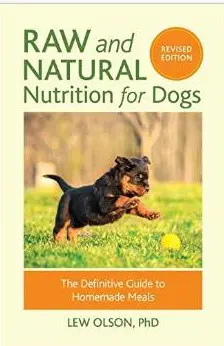
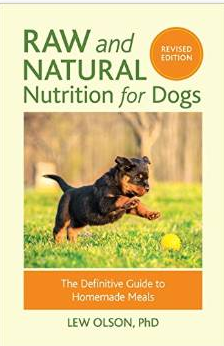
Raw and Natural Nutrition for Dogs, Revised: The Definitive Guide to Homemade Meals!
Lew Olson's newly revised book is filled with an abundance of new topics and information. Whether you are new to home feeding or a seasoned raw feeder, have a senior dog or a new puppy, a pregnant mom or a toy breed, this book presents all the information you need to make the best nutritional decisions for your dog.Dogs, as carnivores, require animal protein for many important health functions. Proteins help maintain healthy liver, heart and kidney function, keep the blood sugar level, and they provide the vital amino acids, which are not found in plant-based foods. Two important stages in a dog's life when high protein levels are essential are during puppyhood and the senior years. For puppies, protein is essential for proper growth and development. For our senior dogs, it is essential to help maintain healthy organs and to provide the needed nutrients as the dog ages. High protein does NOT cause renal problems! When renal issues develop, the level of phosphorus MAY have to be reduced, but this only becomes necessary with chronic renal issues. You can find more information about the importance of protein in a dog's diet and the consequences of not feeding enough quality protein here: https://k9nutritionwithlew.com/is-it-necessary-to-reduce-protein-in-the-diet/
3) Feed High Fiber Diets for Dogs to Lose Weight
Many diet dog foods that you see on the market reduce protein and fat and replace it with fiber such as rice hulls, grains, starchy vegetables or other plant fillers. Sometimes people will replace some of the food with green beans or other carbohydrates assuming this will cut calories, keep their dog full and satisfied, and reduce its appetite. However, these types of 'food replacements' leave a dog feeling unsatisfied and hungry. These dogs become hungrier because their body is craving the quality nutrition it needs. It is better to simply reduce the amount of food served. If you reduce the amount of food served, do not reduce the total amount by more than 10% to start.
If you are feeding a fresh food diet and you want your dog to lose weight, I suggest using less fatty foods. You can do this by removing the skin from chicken, using leaner cuts of meat, and using 2% yogurt rather than whole milk yogurt. In dry dog food diets, I would use a HIGHER protein diet ORreplace some of the kibble by adding in some fresh lean animal protein. If you want your dog to lose weight, their diet must still provide them the proper nutrients needed to remain healthy and feel satiated after a meal, but they also need more exercise! Carbohydrates and fiber increase your dog's appetite and they are oftentimes MORE fattening than quality proteins and fats. Dogs need fat for energy and they need high quality protein to maintain good health. If you want to learn more, please check out this link: https://k9nutritionwithlew.com/carbohydrates-good-or-bad/
4) Dogs Do Great on Vegan/Vegetarian Diets
Yeah? Well I don't think so! Dogs need animal protein to maintain healthy heart, liver and kidney function. Animal-based proteins contain the amino acids that are not found in plant-based proteins. The dog's digestive system is a simple one and it labors when it is fed a high-carbohydrate diet overloaded with grains, starches and beans. This is because their digestive tract is short and simple. It simply cannot ferment and digest these types of foods. Additionally, dogs MUST get their iron requirements from animal-based foods. They have a poor ability, if any, to get their iron needs from supplements or plant-based foods. Animal protein is essential for your dog's organ health and to ensure your dog is healthy as it moves into its senior years. Remember, old age does NOT cause renal, heart or liver failure, but a poor diet can! There are numerous other reasons why canines should not be fed a vegetarian diet. Please check out this newsletter for more very important information:
https://k9nutritionwithlew.com/why-vegetarian-and-vegan-diets-are-not-recommended-for-dogs/
5) Raw Meat Will Cause Aggression
Occasionally I hear people say they would never feed a raw diet because it will create 'blood lust' and aggression in dogs. The interesting thing about feeding a raw diet is that is creates the exact opposite effect. Dogs need animal-based proteins to the get the amino acids they need. These not only provide dogs the proper nutrition needed, they also provide a calming affect!
Carbohydrate laden diets, such as grains, starches and fruit all convert to sugar. As the sugar levels raise and lower in the blood, it creates mood swings and can cause a lack of concentration. A diet that contains no carbohydrates or is very low in carbohydrates creates a more stable blood sugar level in the dog's system. High carbohydrate diets also create cravings for the protein that is necessary in their diet, which can cause anxiousness, odd cravings, the begging and stealing of food, and create destructive chewing behaviors on inappropriate things such as furniture, clothing, books and other household items.
The best remedy for dogs that are hyperactive, have anxiety separation, destroy personal objects and are nervous, it is to feed a diet high in bioavailable fresh protein. This would include meat, whole milk yogurt, eggs and organ meat. Dogs will not only be more satisfied and 'satiated', but it can also calm them and help stop their frantic searching and chewing of inappropriate objects! This will not happen overnight, however gradually you should begin to see a calmer temperament over a period of several weeks.
Additional information regarding raw diets and aggression in dogs can be found here:
https://k9nutritionwithlew.com/can-diet-cause-aggression-in-dogs/
Next month we continue with Part II of "Myths About Feeding Dogs".
Now that we are in the heat of the summer,
Keep your dogs happy, healthy, and cool and well hydrated this August!